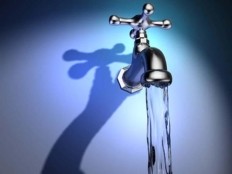
Haiti - Health : Drinking water, a situation still critical in the camps
In its latest report, the National Directorate for Potable Water and Sanitation (DINEPA) and the WASH cluster have noted a critical reduction in the quality of drinking water in IDP camps in the metropolitan area of Port-au-Prince and in communes in the West department.
Samples collected during a survey conducted in June 2012, covering 384 sites and some 344,000 people found that on 58% of people living in camps had access to potable water in June, compared to 61% in April.
The findings show that the situation was even worse in Delmas commune, which has a rate of 78% of outlets which are non-chlorinated and of poor quality water, followed by Pétionville with 71%, Tabarre with 57% and Cité Soleil with 45% of people in camps without access to potable water. Therefore, the awareness and distribution of chlorinated products are necessary to avoid a resurgence of waterborne diseases in these municipalities.
However, the report notes a significant improvement in the situation of sanitation in the camps over the last two months. The number of sites drained rose from 107 to 120 between April and July and the percentage of camps where open-air defecation sites is visible fell from 50% to 38%, thanks to the efforts of UNICEF and the International Red Cross, mainly in the emptying activities.