
|
|
||||||||||||||||||


| 2026-2027 Electoral Calendar, latest official version |

|
 |
|
|
|
|
|
|
|||||
|
|
The IACHR is concerned about the end of TPS for Haitians 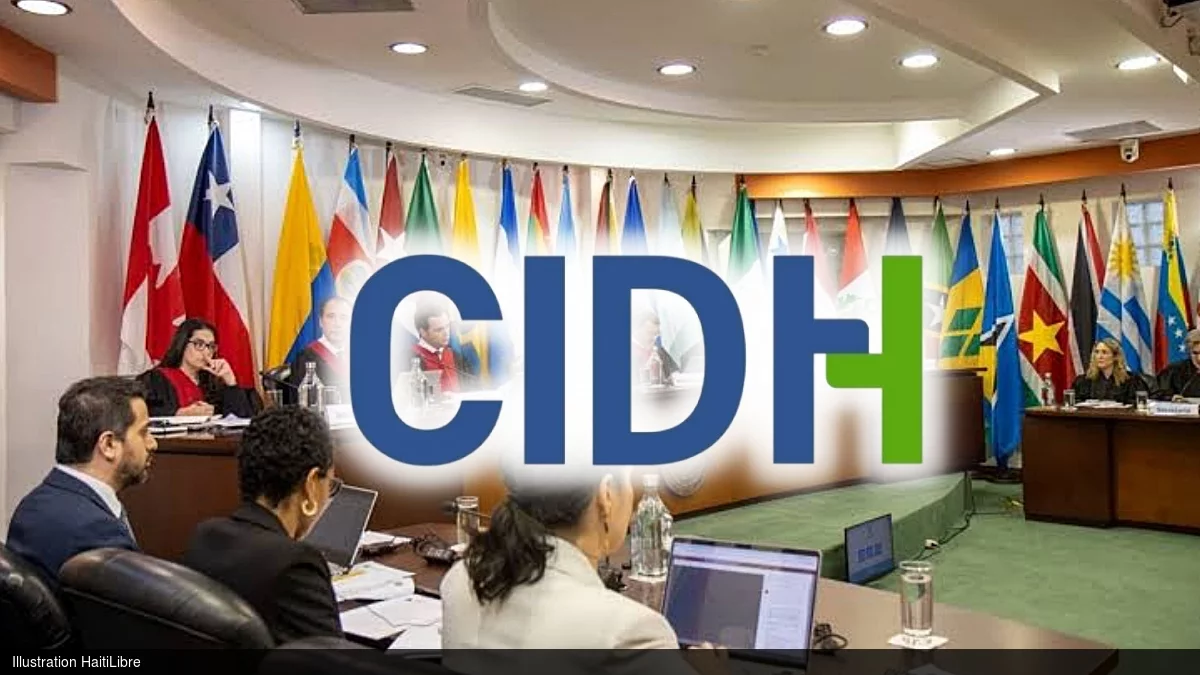
The Inter-American Commission on Human Rights (IACHR) expresses concern over the risks faced by Haitian nationals following the termination of Temporary Protected Status (TPS) in the United States, particularly in light of the ongoing human rights and humanitarian crises in Haiti. The IACHR calls on the United States to ensure international protection when there are substantial grounds to believe that their return to Haiti would expose them to a serious risk of violations of their rights to life or personal integrity, as well as to guarantee access to procedures to identify and address such risks. The TPS is a form of temporary protection under U.S. law that may be granted when conditions in a country prevent its nationals from returning safely or, in certain circumstances, where the country is unable to handle returning persons adequately. This includes ongoing armed conflicts, environmental disasters, epidemics, or other extraordinary and temporary conditions. On June 25, 2026, the Supreme Court of the United States allowed the termination of Haiti's TPS to take effect. On August 5, 2026, a decision by the U.S. District Court for the District of Columbia confirmed that DHS may proceed with the termination. Following these decisions, the U.S. authorities determined that Haiti's TPS designation is terminated, effective July 27, 2026. Even though the U.S. authorities determined that the conditions in Haiti no longer meet the statutory requirements for TPS, the Commission considers that this determination must be assessed considering the prevailing conditions on the ground. The situation in Haiti continues to be confronted with dire challenges to citizen security, individual protection, and enjoyment of human rights, which may significantly impact those returned to the country. In 2026, gangs were estimated to control 80–90% of Port-au-Prince, with their presence extending to the Artibonite, Centre, and South-East departments. In this context, data from the United Nations Integrated Office in Haiti (BINUH), highlights that, despite ongoing security operations aimed at restoring state control over certain areas, between March 6 and July 31, 2026, at least 613 people were killed and 375 were injured in gang related clashes in La Plaine de Cul-de-Sac, including parts of Cité de Soleil within the metropolitan area of Port-au-Prince. BINUH also reported that, as of May 13, 2026, 1.47 million people were internally displaced in Haiti, representing 12% of the population and a 1% increase since December 2025; women and girls accounted for 54% and children for 51% of those internally displaced. During the same period, 1,880 cases of gender-based violence were recorded, of which 71% involved rape and sexual assault. In its Resolution No. 02/21, the IACHR recognized the multidimensional nature of the Haitian crisis and called on States in the region to adopt measures aimed at the comprehensive protection of the human rights of Haitians in mobility, based on the principles of equality and non-discrimination, international solidarity, and shared responsibility. The IACHR has consistently recognized the power of States to define their migration policies and to determine the conditions governing entry, stay, and departure from their territory. Under international law and Inter-American human rights standards, the United States is bound to respect the principle of non-refoulement, which prohibits returning a person to a country where their life, physical integrity, or personal liberty would be at risk of violation. This principle is a peremptory norm of international law and admits of no derogation. Furthermore, the Commission emphasizes that deportations and removals must be subject to individual assessment, respect due process guarantees, and ensure access to an effective remedy. Furthermore, the IACHR reiterates that the United States should provide access to refugee procedures and complementary forms of international protection, as well as other mechanisms to create regular, safe, accessible and affordable channels to receive permanent, regular migration status, including humanitarian measures, family reunification, and special regularization programs. Learn more about the IACHR : A principal, autonomous body of the Organization of American States (OAS), the IACHR derives its mandate from the OAS Charter and the American Convention on Human Rights. The Inter-American Commission has a mandate to promote respect for and to defend human rights in the region and acts as a consultative body to the OAS in this area. The Commission is composed of seven independent members who are elected in an individual capacity by the OAS General Assembly and who do not represent their countries of origin or residence. HL/ HaitiLibre
|
|









|
|
Why HaitiLibre ? |
Contact us |
Français
Copyright © 2010 - 2026 Haitilibre.com |