
|
|
||||||||||||||||||


| 2026-2027 Electoral Calendar, latest official version |

|
 |
|
|
|
|
|
|
|||||
|
|
Haiti - Crisis : Haiti faces the collapse of its agriculture 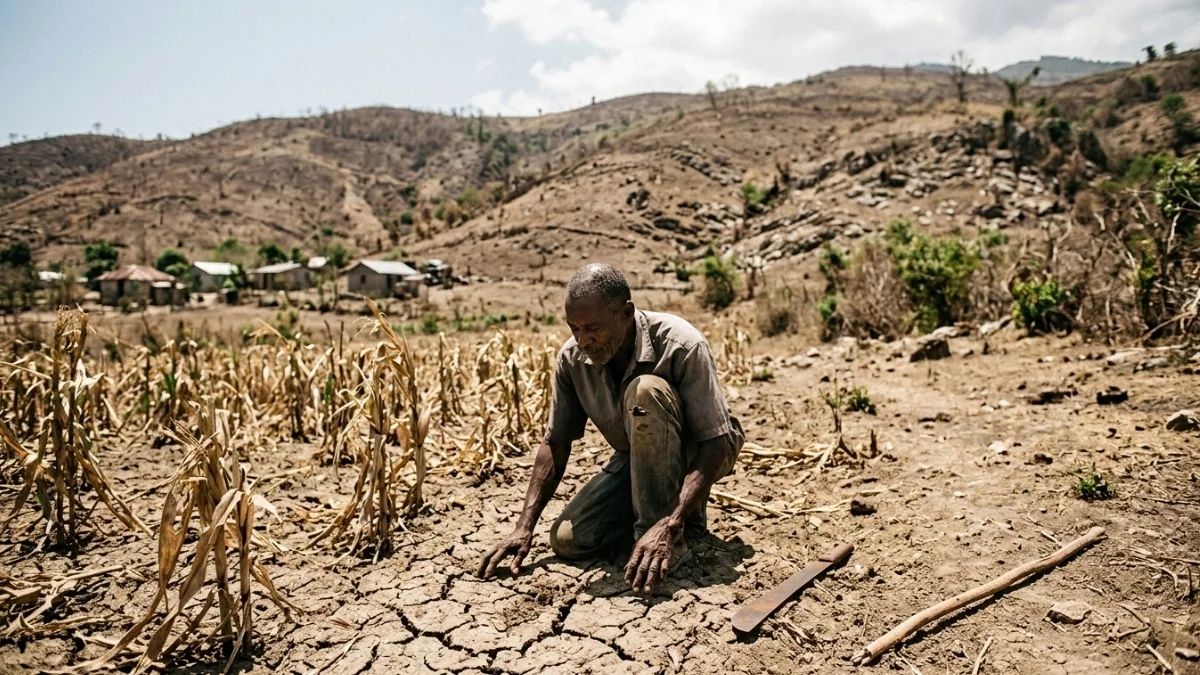
Despite its natural and human resources, Haiti is facing an alarming food crisis. This situation stems from a number of interconnected factors, including poor governance, a lack of coherent policies, environmental degradation, and insufficient technical assistance. More than 60% of the food consumed by the population now comes from abroad, further undermining national food sovereignty and exposing the country to the fluctuations of international markets. At the same time, domestic agricultural production continues to decline due to a combination of factors, widespread insecurity, climate change, low public investment, inadequate agricultural infrastructure, and poor governance. The country is unable to produce enough food to meet its population's needs, making it dependent on imports. Livestock systems are also deficient, with insufficient infrastructure, limited veterinary care, and difficult access to markets. Beyond the challenges facing crop production, the Haitian livestock system is currently experiencing an unprecedented crisis. The beef, goat, sheep, pig, and poultry sectors are experiencing a worrying decline due to a combination of factors, including insecurity, livestock theft, weak veterinary services, a lack of animal feed, pasture degradation, and the absence of a genuine national livestock development policy. This situation is particularly concerning because livestock farming represents a significant economic asset for rural families. Animals often constitute a form of living savings, enabling them to finance children's schooling, healthcare, agricultural investments, and even cope with emergencies. The gradual collapse of the national livestock population further weakens household livelihoods and considerably reduces the availability of locally produced animal protein. The decline in the livestock sector also contributes to increased imports of meat, dairy products, and eggs, exacerbating the country's trade deficit and reinforcing its food dependency. Limited access to water is another constraint. Water, essential for agriculture, is often scarce, especially in rural areas. Inadequate water management negatively impacts agricultural production and limits farmers' ability to irrigate their crops effectively. Another key factor is the lack of technical assistance. Farmers, particularly smallholder farmers, lack technical support and training, which limits their ability to improve their farming practices and adopt more productive and sustainable methods. Furthermore, widespread insecurity in Haiti, exacerbated by the presence of armed groups and criminal activity, has devastating consequences for the agricultural sector. Farmers, often threatened or attacked, are hesitant to invest in their crops for fear of their safety. This situation not only compromises agricultural production but also prevents farmers from accessing markets to sell their produce. Insecurity restricts travel necessary for purchasing seeds, fertilizers, and other inputs, and even discourages cooperative initiatives among farmers. As a result, the land remains underutilized, and the country's agricultural potential is severely hampered. While domestic production is severely threatened, the environmental situation in Haiti is catastrophic. Deforestation, soil erosion, and water pollution compromise soil fertility and the quality of life for the population. Furthermore, the lack of sustainable management of natural resources exacerbates the effects of climate change, making agriculture even more vulnerable. In light of this situation, ALLO AGRO / PROMODEV proposes several recommendations : 1. Strengthening Governance : It is crucial to improve the image of the Ministries of Agriculture and the Environment. Better governance includes increased transparency, clear communication, and the participation of stakeholders, particularly farmers and civil society organizations. 2. Establishment of a National Sentinel Commission : composed of representatives from farmers' and environmental organizations will allow for the involvement of all stakeholders in the socio-economic development process. This Commission could play an advisory role in guiding agricultural and environmental policies. 3. Improving Irrigation Systems : Investing in modern and sustainable irrigation infrastructure is essential. This requires collaboration between the Government, international organizations, and local communities to ensure equitable access to water. 4. Supporting Rural Women ("Madan Sara") : Recognizing the role of rural women in food production is vital. Specific programs must be implemented to provide them with access to training, credit, and the resources necessary to improve their productivity and economic security. 5. Transferring Eel Management : Transferring eel management to the Ministries of Commerce, the Interior, and the Environment, with the Prime Minister’s approval, could free up the agricultural sector. A harvesting and export permit published in the official gazette, Le Moniteur, can also enhance transparency and regulation of this resource. 6. Promoting Sustainable Agriculture : Encouraging sustainable agricultural practices that respect the environment and preserve biodiversity is crucial. This includes training farmers in modern, environmentally friendly techniques. 7. Awareness and Education : Implementing awareness campaigns to inform the population about the importance of food security and environmental protection is essential. Educating young people about agricultural and environmental issues will foster collective awareness and civic action. HL/ HaitiLibre
|
|









|
|
Why HaitiLibre ? |
Contact us |
Français
Copyright © 2010 - 2026 Haitilibre.com |